Evangelista Torricelli
July 2026
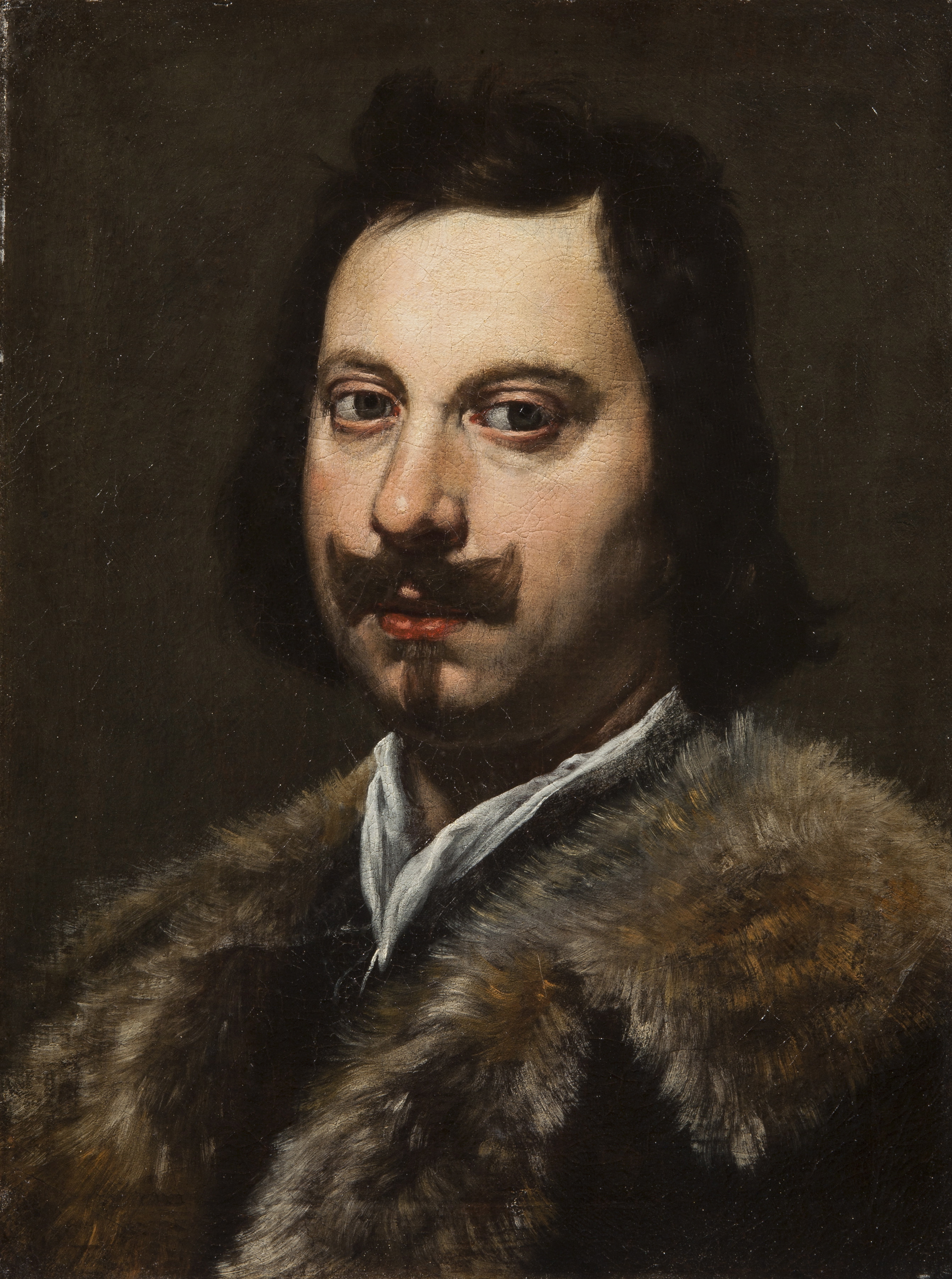
Who he was
Evangelista Torricelli (1608–1647) was an Italian physicist and mathematician, a student of Galileo. In 1643, he built the first mercury barometer — inverting a mercury-filled tube into a dish of mercury and observing that the column settled at a consistent height, leaving a vacuum at the sealed top — and correctly identified the cause: the weight of the atmosphere pressing down on the open dish, not any special property of the tube.
What he’s known for on this site
Torricelli’s barometer directly enabled Blaise Pascal’s 1648 Puy de Dôme experiment proving atmospheric pressure decreases with altitude. His name lives on in the Torr, the traditional vacuum-technology pressure unit (defined so that 760 Torr = 1 standard atmosphere exactly), used throughout the Atmospheric & Vacuum Pressure Measurement guide — the same guide that documents the vacuum his own barometer was the first instrument to reliably produce and measure.
Catalog status: Proven Systems
The barometer and the physical reality of atmospheric pressure it demonstrates are foundational, thoroughly confirmed classical physics.
Mentioned on this site
- Atmospheric & Vacuum Pressure Measurement — the Torr unit definition
Where this touches PBT
Nothing here connects to Pressure-Based Theory’s own claims specifically — Torricelli’s barometer and the vacuum it produces are ordinary, well-understood 17th-century physics, included as the real historical origin of a unit this site’s own practical-applications content uses directly.